Discover The Advantages Of Choosing Metal Roofing
When your roof takes a beating every wet season, the material it's made from stops being a cosmetic choice and becomes a very practical one. For homeowners researching roofing in Lismore, metal roofing has steadily moved from an industrial staple to one of the most trusted residential roofing materials available. It's durable, low-maintenance, and built to handle the kind of conditions that put lesser materials to the test year after year. If you're considering a new roof or a full replacement, understanding what metal roofing actually offers can make the decision a whole lot clearer.
Why Weather Resistance Matters More Than You Think
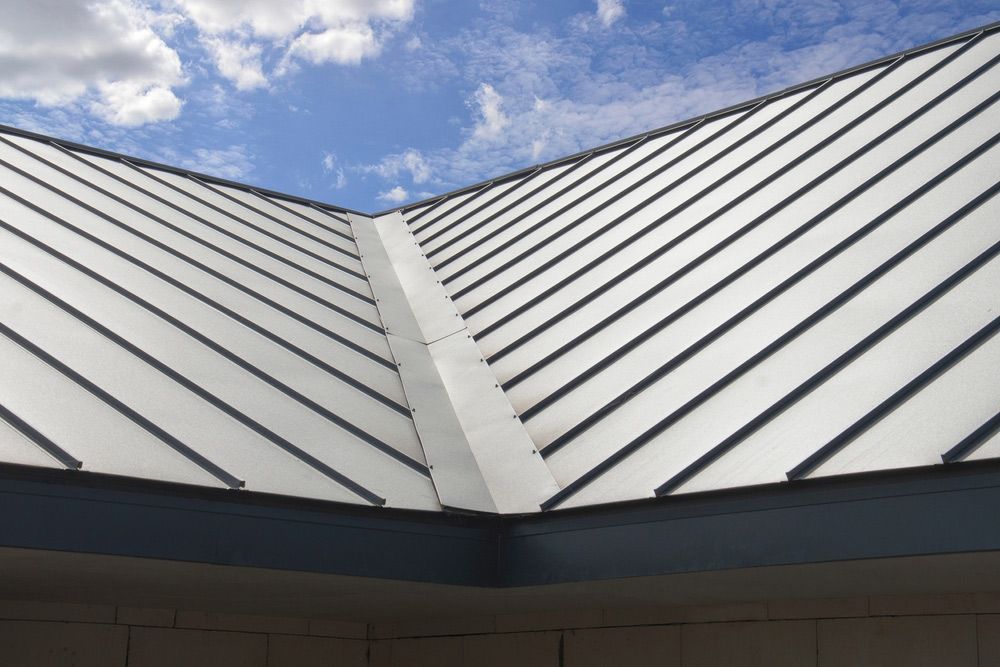
A roof is only as good as its ability to handle what the sky throws at it, and in Australia, that can be quite a lot. Metal roofing is engineered to resist heavy rain, high winds and hail. Unlike other materials that can crack, lift or absorb moisture over time, metal holds its structural integrity even after prolonged exposure to difficult weather.
Key performance advantages include:
- Metal panels interlock and sit flush, significantly reducing the chance of wind uplift.
- Quality coatings resist UV degradation, preventing the material from becoming brittle.
- Metal sheds water rapidly, minimising the risk of pooling and moisture ingress.
For homeowners who have watched storms roll through and wondered how their roof fared, metal offers a considerably more reassuring answer.
The Lifespan Difference Between Metal & Other Roofing Materials
One of the most compelling arguments for metal roofing is how long it lasts. While traditional terracotta or concrete tiles typically have a lifespan of 30 to 50 years, a quality metal roof can perform reliably for 50 to 70 years or more when installed correctly and given basic maintenance.
That longevity comes down to:
- Metal's natural resistance to rot, mould and pest damage.
- Its ability to expand and contract with temperature changes without weakening.
- The durability of modern protective coatings that guard against corrosion and surface wear.
When you factor in a longer lifespan, the cost per year of ownership often works out more economically than materials that require earlier replacement.
What Low Maintenance Actually Looks Like in Practice
Many homeowners assume all roofs demand similar levels of upkeep, but metal roofing genuinely reduces the maintenance burden over time. There are no individual tiles to crack or slip, no porous surfaces that attract moss or lichen and no grout lines that deteriorate and allow moisture in.
In practical terms, maintaining a metal roof generally involves:
- Periodic clearing of gutters and valleys to prevent debris build-up.
- Occasional visual checks after major storm events.
- Recoating or repainting every 15 to 20 years depending on the product.
Compared to tile roofs, which can require re-bedding, re-pointing and individual tile replacements as they age, metal's maintenance profile is considerably more straightforward.
How Metal Roofing Performs During Storms & Flood Events
Storm performance is a critical consideration for any homeowner making a roofing decision, particularly in regions with a documented history of severe weather. Metal roofing has a strong track record during high-intensity storms because of its structural design and the way it distributes load across the frame.
Several features contribute to this performance:
- Wind ratings for metal roofing systems are among the highest available for residential properties.
- The smooth surface allows water to move off quickly during heavy downpours, reducing the load on drainage systems.
- Metal does not absorb water, meaning it won't become heavier or more vulnerable during prolonged wet periods.
For homeowners in areas where severe weather is a recurring reality, these performance characteristics are worth taking seriously when comparing roofing materials.
Insulation, Energy Efficiency & Year-Round Comfort
A common misconception is that metal roofing makes a home hotter. In reality, modern metal roofing systems installed with appropriate insulation and reflective coatings can significantly improve a home's thermal performance. Reflective finishes bounce radiant heat away from the roof surface rather than allowing it to transfer into the ceiling space below.
Energy efficiency advantages worth understanding include:
- Reflective roof coatings can noticeably reduce cooling loads during summer months.
- Metal roofing works well with bulk insulation to further regulate internal temperatures.
- A cooler roof space puts less pressure on air conditioning systems, which can translate into lower energy bills.
Getting the right insulation specification for your climate is something a qualified roofing professional can advise on as part of the installation process.
Could Your Roof Choice Affect Your Insurance Premiums?
Insurance is rarely the first thing that comes to mind when choosing a roofing material, but it can be a relevant factor for homeowners in areas with a history of storm damage claims. Some insurers assess roof material as part of their risk profile when calculating premiums or determining claim outcomes.
A few points worth raising with your insurer:
- Metal roofing's high wind and fire ratings may be viewed favourably by some providers.
- A newer metal roof can, in some cases, support a more favourable insurance assessment than an ageing tile roof.
- After significant weather events, a metal roof with no visible damage can make the claims process more straightforward.
Always speak with your insurer directly about how roof material is factored into your specific policy before making a final decision.
Aesthetic Flexibility & Street Appeal with Metal Roofing
The dated idea that metal roofing is purely functional in appearance has shifted considerably. Today's products come in a wide range of profiles, from corrugated and ribbed sheeting to concealed-fix systems that offer a clean, modern aesthetic, along with a broad colour palette to suit most home styles.
Design options that may appeal include:
- Low-profile panels that complement contemporary architecture.
- Earthy and neutral tones that blend well with established streetscapes.
- Finishes that maintain their colour integrity for decades with quality coatings.
Whether you're building new or replacing an existing roof, metal can be specified to suit a broad range of homes without compromising on performance.
Getting the Right Advice Before You Commit
For those actively researching roofing in Lismore, getting professional advice before committing to a material is just as important as the material choice itself. Installation quality plays an equally important role in long-term performance, and correct fastening, flashing and sealing are all areas where professional installation makes a measurable difference.
Before committing to any contractor:
- Request a site assessment so the professional can account for your roof pitch, structure and drainage requirements.
- Ask about product warranties and what they cover in your climate.
- Clarify the installation timeline and what preparation work is needed beforehand.
An informed homeowner is always better positioned to make a decision they'll be satisfied with for decades to come.
Talk to Your Local Roofing Specialists
We at Rooftech Roofing Services understand that homeowners in Lismore and across the Northern Rivers face roofing conditions that are genuinely demanding. Between the wet season rainfall, the humidity and repeated storm and flood events, a roof here needs to perform reliably under real pressure. If you're ready to explore metal roofing in Lismore for your home, get in touch with our team to arrange a consultation and find out whether it's the right fit for your property.